.png)
Singapore Imports Most of Its Food. That Makes Local Production Bases More Important, Not Less

Updated: Jun 21
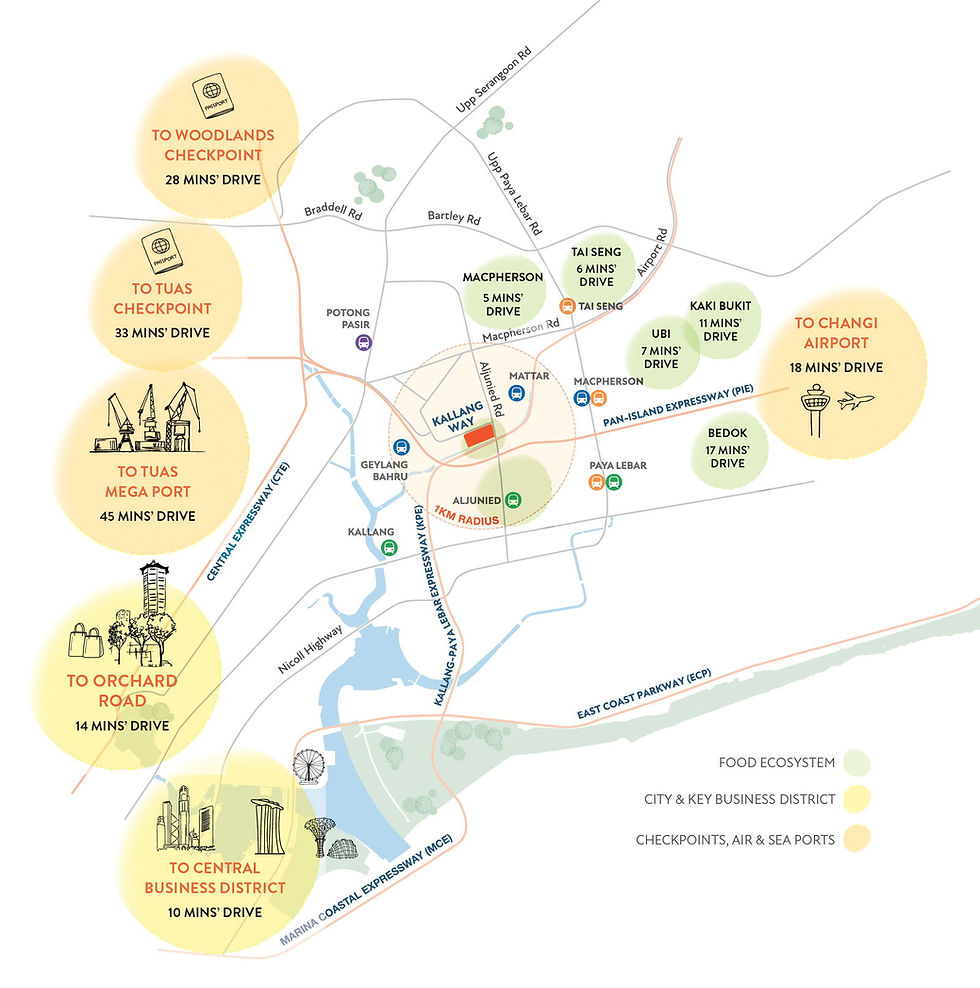
If you are searching for a food factory in Singapore, a central kitchen in Singapore, or a Kallang food factory that can support growth, "Singapore Imports Most of Its Food. That Makes Local Production Bases More Important, Not Less" is a topic worth paying attention to. Gourmet Xchange at 1 Kallang Way sits at the intersection of food production, industrial real estate, logistics and F&B expansion.
The bigger point is simple: why import reliance still requires local processing and food factory bases. In Singapore, where labour, rental, land and logistics costs are all tightly felt, the property decision is often an operating decision in disguise. A well-chosen food production base can influence output, consistency, staffing, delivery routes, compliance planning and long-term business resilience.

Imports still need local infrastructure
Singapore's food system is built on global connectivity. The country imports a large share of its food, but imported ingredients do not move directly from port to plate. They need sorting, cold storage, cutting, cooking, packing, labelling, redistribution or further processing.
In that context, food factory space should be seen as part of the wider operating infrastructure of the food sector. It supports businesses that need to prepare, process, store, pack and distribute food in a high-cost, land-scarce city.
Local bases support imported inputs
A seafood operator, central kitchen, bakery, sauce producer or ready-meal company may depend on imported ingredients while still requiring local production space. That means import reliance and local food factory demand are not opposites. They can reinforce each other.
This is where Singapore's food real estate story becomes more nuanced. The market is not just about local production targets or government slogans. It is about resilience, cost control, import vulnerability, brand expansion and the ability of private operators to build reliable production systems.
Resilience is capability
During stable periods, food production space may look like a cost. During disruptions, it becomes capability. A local production base allows an operator to adjust menus, switch suppliers, process alternative ingredients and respond faster than a business without infrastructure.
In that context, food factory space should be seen as part of the wider operating infrastructure of the food sector. It supports businesses that need to prepare, process, store, pack and distribute food in a high-cost, land-scarce city.
Gourmet Xchange's role
Gourmet Xchange is positioned for modern food production in the Central Region. Its official materials describe uses such as central kitchens, food manufacturing, bakery production, cold chain, packaging and fulfilment. This fits the processing layer of the food supply chain.

This is where Singapore's food real estate story becomes more nuanced. The market is not just about local production targets or government slogans. It is about resilience, cost control, import vulnerability, brand expansion and the ability of private operators to build reliable production systems.
Investor takeaway
Food factory demand should be understood through operational necessity. Tenants are not just looking for storage. They need facilities tied to production and distribution.
In that context, food factory space should be seen as part of the wider operating infrastructure of the food sector. It supports businesses that need to prepare, process, store, pack and distribute food in a high-cost, land-scarce city.
Market takeaway: how to apply this before choosing a food factory
Identify whether the trend affects your actual production volume, menu structure or delivery model.
Avoid buying or leasing based on hype alone. Translate the trend into space, equipment, manpower and compliance requirements.
Check whether a central kitchen, food factory or hybrid production base can reduce repeated costs across outlets.
Review how the unit can adapt if consumer demand shifts.
Use property as a platform for operating flexibility, not just as storage for equipment.
Why this matters for Gourmet Xchange Kallang
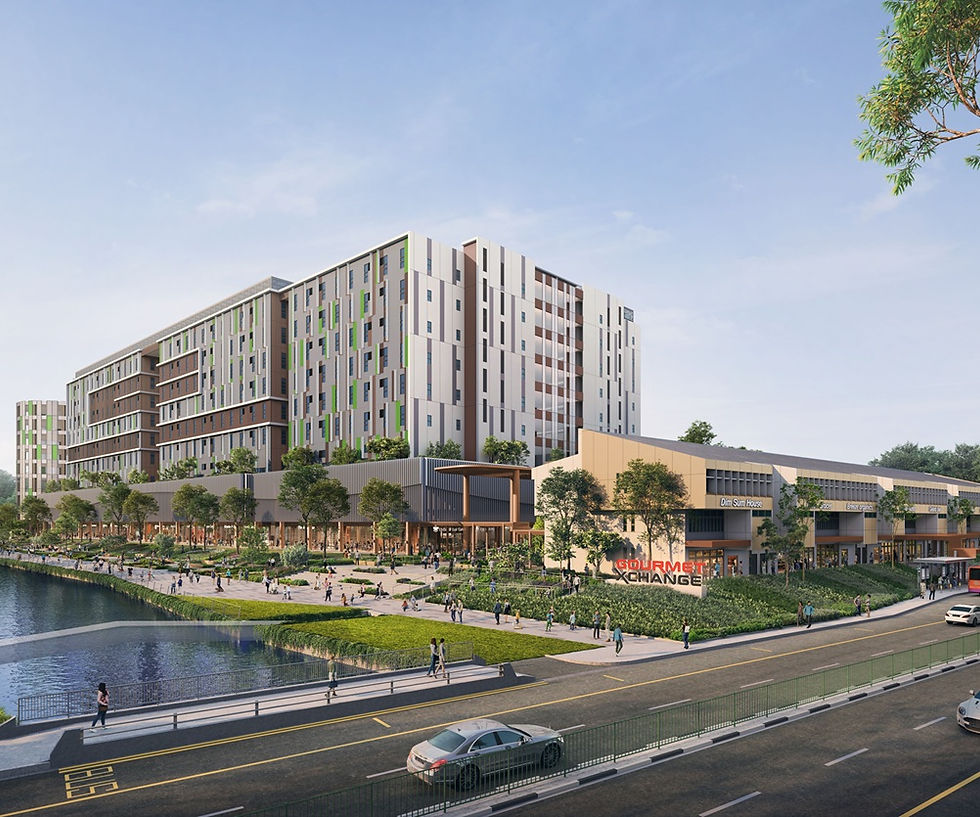
Gourmet Xchange is positioned as a strata-titled food hub at 1 Kallang Way, with The Xchange, Heritage Terrace, F&B spaces, food kiosks, an industrial canteen, central plaza and waterfront elements forming part of the project story. The key appeal is not one feature alone. It is the combination of central Singapore location, food-only positioning, production-oriented specifications, ramp-up logistics and the ability for suitable operators to build a more permanent food production base.
As always, buyers and tenants should rely on the latest official developer materials, approved plans, sale documents and authority requirements before making any commitment. Blog articles are useful for framing the decision, but final due diligence must be based on the definitive documents and professional advice.
Related reading
Source credit
External context includes Reuters reporting on Singapore's recalibrated food resilience strategy in November 2025. Project facts based on Gourmet Xchange developer materials. Reuters article reference: https://www.reuters.com/world/asia-pacific/singapore-drops-2030-food-self-sufficiency-goal-minister-says-2025-11-04/
Speak to the appointed agent
If you are assessing whether Gourmet Xchange fits your operational or investment requirements, speak to Marc Singh for the latest available units, floor plans, specifications and viewing arrangements.


Comments