.png)
Why the Future of F&B May Depend More on Production Space Than Storefronts

Updated: Jun 7
Most people judge an F&B brand by what they can see. The queue outside the outlet. The interior design. The menu. The social media posts. The location. The crowd.
But many F&B businesses are won or lost in places customers never visit. They are won in preparation areas, central kitchens, storage rooms, dispatch zones and production facilities. They are won in the systems that allow the same product to be made properly again and again.

The F&B Business Model Has Changed
A brand may sell through dine-in, takeaway, delivery platforms, catering, events, retail packs, corporate orders and multiple outlets. The storefront is still important, but it is no longer the whole business.
As a brand grows, the outlet becomes a less efficient place to do everything. Space is expensive. Staff are stretched. Peak-hour pressure is high. Storage is limited. Quality control becomes harder. If every outlet operates like its own mini-factory, expansion can become messy.
A Strong Production Base Solves Part of That Problem
It can centralise preparation, improve consistency, support bulk purchasing, reduce duplication and allow outlets to focus on sales and service. This is where many F&B operators need to think differently.
Real estate is not only about where to sell. It is also about where to produce. The right production space can determine how many outlets a brand can support, how efficiently it can deliver, and how consistently it can serve customers.
The Storefront Versus the Engine Room
A beautiful storefront may attract customers. But if the production system behind it is weak, the brand struggles to grow. The food becomes inconsistent. The team becomes stretched. Expansion becomes risky.
A well-planned production base gives the brand room to breathe. It turns growth from improvisation into process. The future of F&B will not be decided only by who has the best retail frontage. It will also be decided by who has the best back-end infrastructure. Production space is becoming part of the competitive advantage.
Gourmet Xchange Fits into This Larger Shift
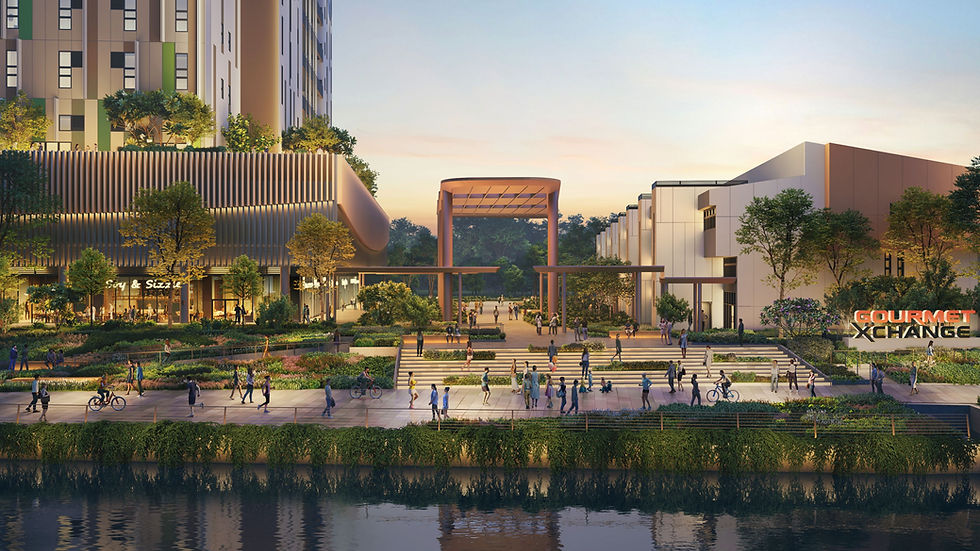
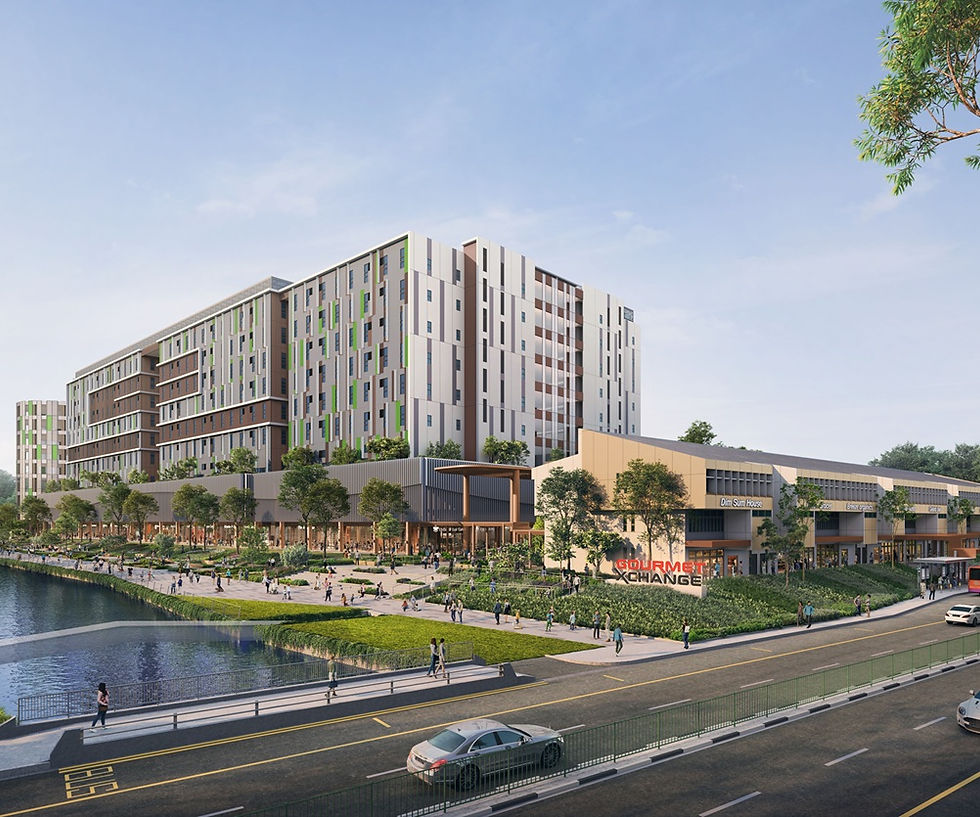
As a food-focused development in Kallang, Gourmet Xchange reflects a growing need for production infrastructure that is centrally located, purpose-built and scalable. Units are designed for food production from the outset - not retrofitted warehouse space or generic industrial units.
The range of unit sizes from approximately 3,175 sqft allows brands to match their space to their production volume, not the other way around. Visit gourmetxchange.co to find out more or contact Marc Singh at 91170234.


Comments