.png)
Why Investors Are Flocking to Singapore's Industrial Properties — And Why You Should Too
- Marc Singh
- Mar 9
- 2 min read

A Market the Smart Money Is Watching
Singapore is one of the most stable, transparent, and investment-friendly property markets in the world. But while residential property has long dominated the conversation, a growing number of sophisticated investors — from high-net-worth individuals to family offices and institutional funds — are turning their attention to the industrial sector.
The reasons are compelling: zero Additional Buyer's Stamp Duty, government-backed demand growth, rental yields that outperform residential assets, stable long-term tenants, and a structural shift toward higher-specification industrial space that is driving capital value appreciation.
Zero ABSD: A Game-Changer for Investors
Singapore's residential property market has become increasingly expensive from a transaction cost standpoint. Since April 2023, foreign buyers of residential property face 60% Additional Buyer's Stamp Duty (ABSD). Singapore Citizens buying a second home face 20% ABSD. Industrial and commercial properties carry zero ABSD for all buyer categories — Singapore Citizens, Permanent Residents, foreigners, and companies alike. This structural advantage means investors can allocate capital to industrial property without giving up a significant portion of their investment value before a single dollar of rental income is collected.
Attractive Rental Yields
Singapore's residential rental yields have compressed significantly as property prices have risen. Industrial properties — particularly well-located, purpose-built facilities — have historically offered higher rental yields, with figures of 5% or more cited for well-positioned industrial assets. Food factory tenants are especially known for their stability and longevity due to high operational switching costs.
Government-Backed Demand Drivers
Key policy drivers include: the S$37 billion RIE2030 plan supporting advanced manufacturing; Singapore's '30 by 30' food production goal driving demand for food manufacturing and processing space; and the URA Master Plan designating specific regions as high-tech manufacturing hubs. When government policy aligns with occupier demand and investor interest, the conditions for sustained property market performance are in place.
REITs and Institutional Validation
In 2025, total investment sales in Singapore's industrial sector reached S$2.13 billion in Q4 alone, with industrial REITs representing nearly 60% of that total. CapitaLand Ascendas REIT, for example, acquired three industrial properties for S$532.6 million in a single transaction. When Asia's largest and most sophisticated real estate investors are deploying billions into Singapore industrial property, individual investors have a powerful validation signal.
Gourmet Xchange: The Right Asset in the Right Market
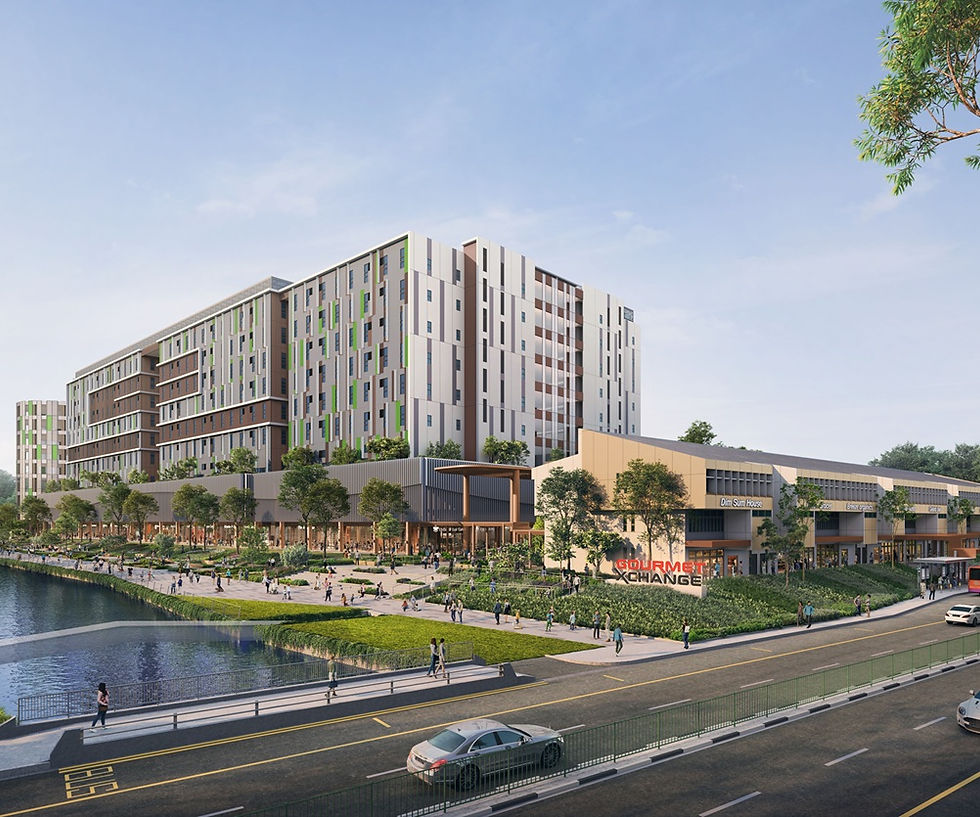
Gourmet Xchange at 1 Kallang Way represents precisely the kind of asset that aligns with every major investment megatrend in the sector: zero ABSD, CapitaLand developer credibility, prime Central Region location with access to four major expressways, purpose-built food production infrastructure, and Singapore's largest strata food hub with 264 modern units and 8 heritage terrace units.
As with all investments, returns are not guaranteed and depend on location, tenure, specification, and market conditions. Prospective investors should conduct their own due diligence and seek appropriate professional advice before making any investment decision.
Contact us today to find out more about available units and investment opportunities at Singapore's premier food hub.
────────────────────────────────────────────
This article was originally published on marcsingh.com — Marc Singh's commercial real estate blog covering Singapore's industrial and food factory property market.


Comments