.png)
Why Gourmet Xchange Is Not Just Selling Space. It Is Selling an Ecosystem.

Updated: Jun 7
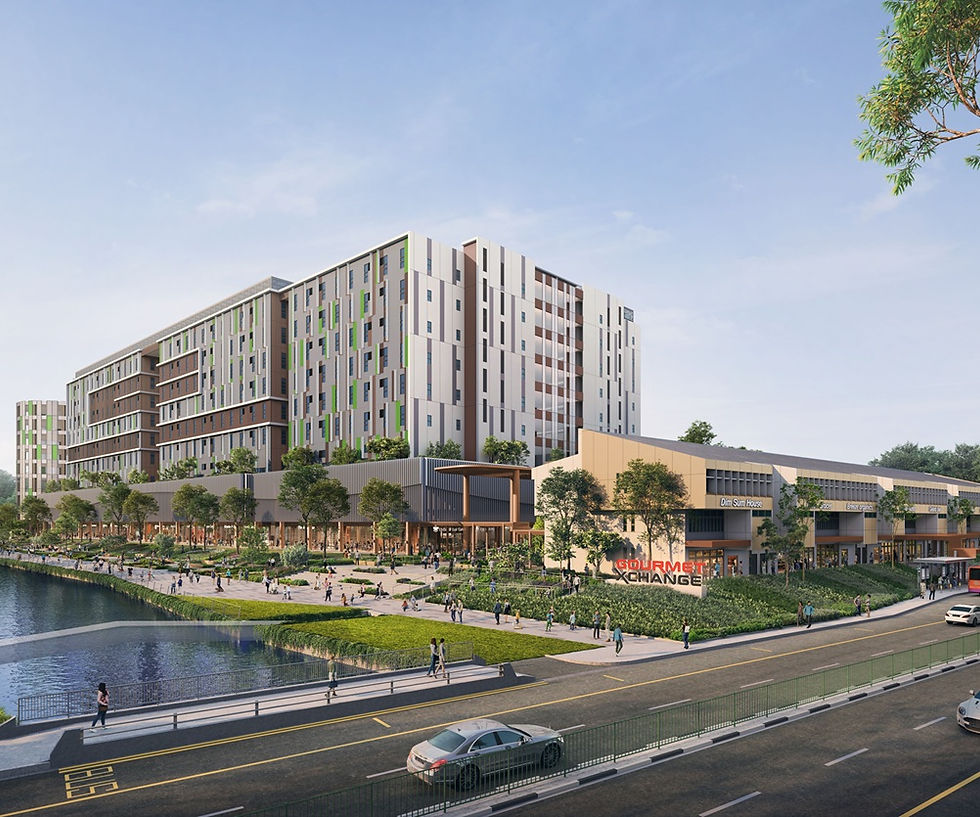
Most property developments sell space. They list the square footage, the floor loading, the access specification and the lease term. Gourmet Xchange does all of this. But the more interesting story is not the individual unit - it is what happens when 264 food businesses occupy the same building.

The Ecosystem Effect in Food Production
When food manufacturers, central kitchens, cloud kitchens, caterers, storage operators and ingredient suppliers are co-located, they do not simply share a building. They create proximity between people who buy from each other, supply to each other, and solve each other's operational problems.
A manufacturer looking for a co-packer. A caterer looking for a reliable cold storage provider. A bakery looking for a packaging supplier. In a standard industrial estate, finding those connections means time and logistics overhead. In a purposeful food hub, they become incidental.
Shared Infrastructure Changes the Economics
One of the most underappreciated aspects of a multi-tenanted food development is what gets shared. Loading bays, container parking, goods lifts, waste management, pest control contracts and building management are all resources that individual food businesses would otherwise pay for alone. At scale, these costs are spread across the tenant base - lowering the per-unit overhead for everyone.
This is the same logic that drives Singapore's government to study multi-tenanted food production facilities as a cost reduction strategy for local food producers. Understanding how Singapore's policy is shifting towards shared food production infrastructure provides useful context.
A Consumer-Facing Dimension That Most Food Factories Lack
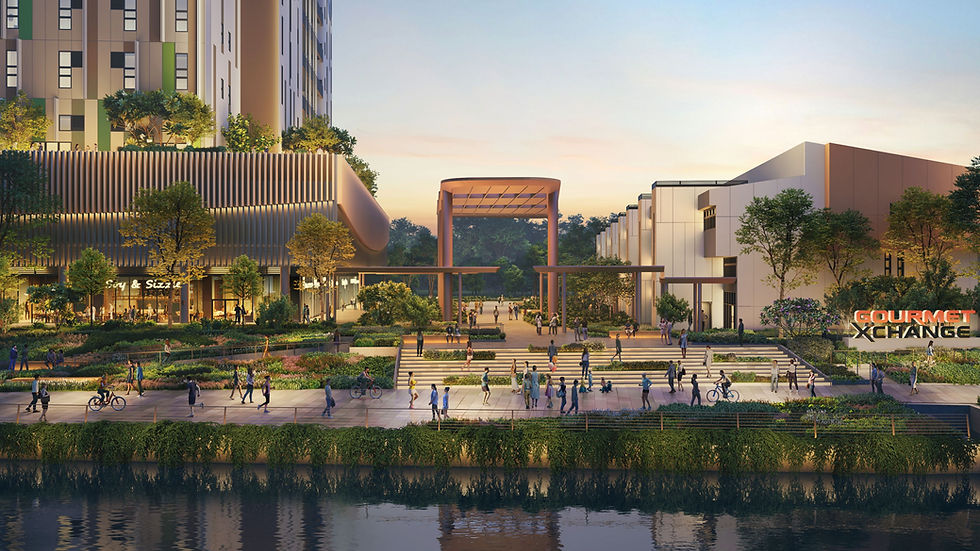
Gourmet Xchange is also the first food factory development in Singapore designed to extend beyond traditional B2B operations. The development encompasses food kiosks, restaurants, and the possibility to convert selected production units to consumer-oriented showrooms (subject to necessary approvals).
For food brands, this opens a genuinely new kind of proposition: produce, distribute and engage with customers from a single integrated hub. Brands that benefit from direct consumer engagement can do so without committing to expensive commercial leases elsewhere.
What This Means for End-Users and Investors
For end-users, the ecosystem means choosing a development where the surrounding tenant base is a strategic asset, not just background noise. For investors, an ecosystem-style development with high tenant interdependency supports retention and rental stability.
When tenants are embedded in each other's supply chains, the decision to vacate becomes more costly than simply paying a higher rent elsewhere. This is not a feature of generic industrial space - it is specific to a purposefully built food hub like Gourmet Xchange. Visit gourmetxchange.co to learn more or contact Marc Singh at 91170234.


Comments