.png)
Singapore's Booming Food Factory Sector: Why Smart Investors Are Taking Notice
- Marc Singh
- Feb 16
- 2 min read

A Growing Investment Class You May Not Have Considered
When most people think about property investment in Singapore, their minds go to condominiums, HDB resale flats, or shophouses. But there is a fast-growing alternative asset class quietly drawing the attention of savvy investors: strata food factories.
Strata food factories — individually titled industrial units within purpose-built, multi-user food production developments — have emerged as one of Singapore's most attractive alternative investment categories.
What Makes a Strata Food Factory Different?
Unlike typical JTC-managed industrial space which is leased and cannot be individually owned, strata food factories are available for individual purchase by Singapore Citizens, Permanent Residents, foreign buyers, and companies alike. Because strata food factories are classified as industrial property, they carry zero Additional Buyer's Stamp Duty (ABSD) for all buyer categories — unlike residential properties where foreign buyers face 60% ABSD and Singapore Citizens buying a second home face 20% ABSD.
Strong and Structurally Supported Demand
The demand for food factory space in Singapore is not cyclical — it is structural. Singapore's national '30 by 30' food production goal requires a major expansion of food processing and manufacturing infrastructure. The government's Food Manufacturing Industry Transformation Map (ITM) provides further policy support, grants, and incentives for food production businesses.
Singapore has approximately 1,200 completed strata food factory units — with a pipeline to 2028 adding only around 500 additional units. This tight supply outlook, against sustained occupier demand from central kitchen operators, food manufacturers, food-tech startups, and cloud kitchen businesses, creates a fundamentally sound investment environment.
Rental Income Potential and Tenant Stickiness
Food factory tenants are particularly sticky. The operational switching costs for food businesses are high: relocating a central kitchen or food manufacturing line requires regulatory approvals, significant capital expenditure, and operational downtime. This makes food factory tenants among the most reliable long-term occupiers in Singapore's industrial property market.
Capital Value Growth
Overall industrial property prices in Singapore increased by 5.0% in 2025, strengthening from 3.5% growth recorded in 2024. For strata food factories specifically, the combination of limited supply, government-supported demand, and the growing premium placed on high-specification, purpose-built food production facilities suggests strong long-term capital appreciation potential.
Gourmet Xchange: Singapore's Premier Food Factory Investment
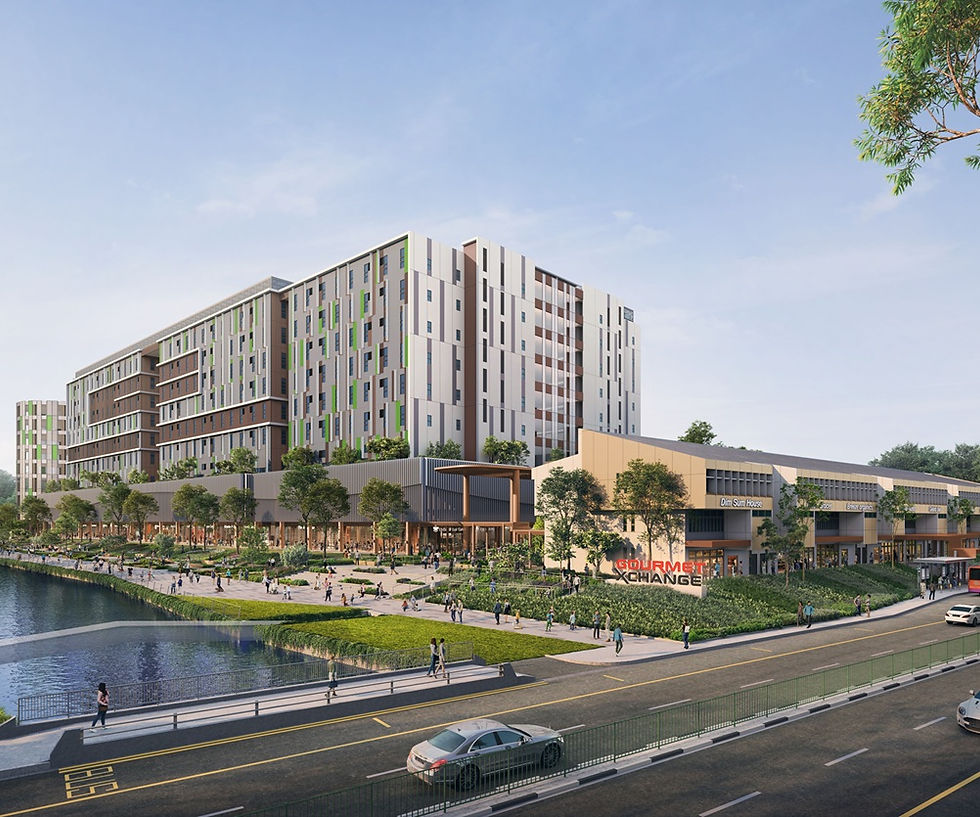
As Singapore's largest strata-titled food hub at 1 Kallang Way, Gourmet Xchange offers investors a rare combination of location quality, developer credibility (CapitaLand Development), infrastructure specification, and market positioning. With 264 modern production units and 8 heritage terrace units across a 474,800 sq ft site, zero ABSD for all buyer categories, and a prime Central Region location just 10 minutes from the CBD, it represents the most compelling entry point into Singapore's food factory investment market.
Enquire today to learn more about investment opportunities at Gourmet Xchange.
────────────────────────────────────────────
This article was originally published on marcsingh.com — Marc Singh's commercial real estate blog covering Singapore's industrial and food factory property market.


Comments