.png)
How to Underwrite a Food Factory Investment: Beyond Price Per Square Foot

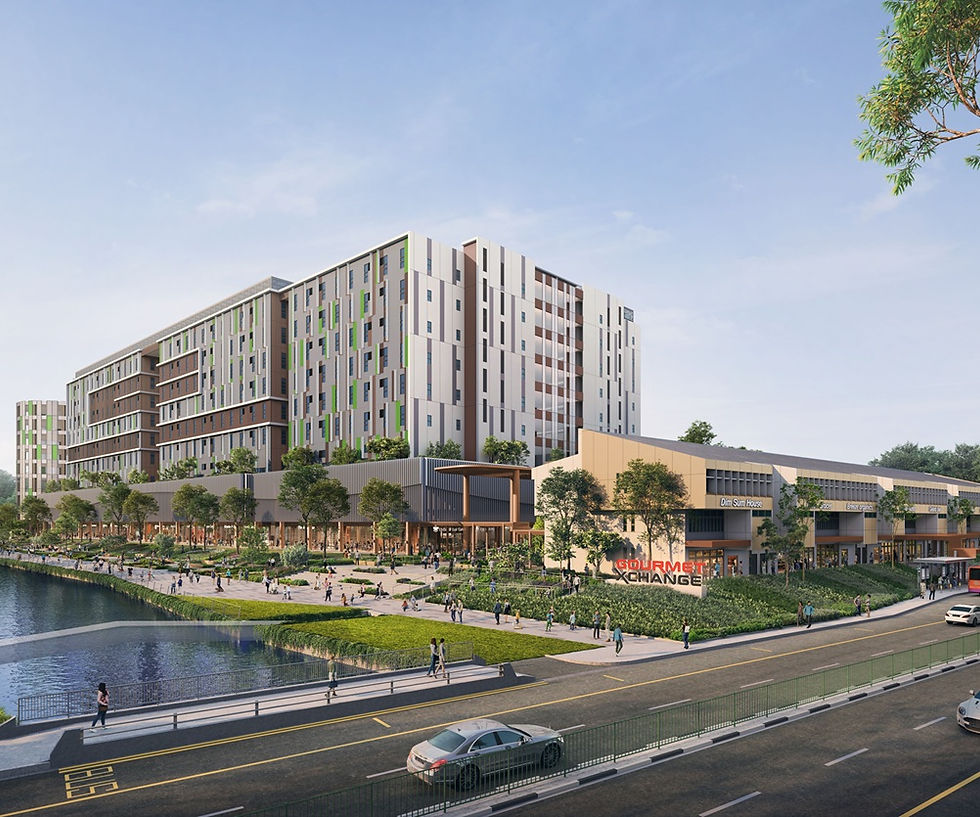
If you are searching for a food factory in Singapore, a central kitchen in Singapore, or a Kallang food factory that can support growth, "How to Underwrite a Food Factory Investment: Beyond Price Per Square Foot" is a topic worth paying attention to. Gourmet Xchange at 1 Kallang Way sits at the intersection of food production, industrial real estate, logistics and F&B expansion.
The bigger point is simple: how investors should analyse tenant fit, specifications and tenure. In Singapore, where labour, rental, land and logistics costs are all tightly felt, the property decision is often an operating decision in disguise. A well-chosen food production base can influence output, consistency, staffing, delivery routes, compliance planning and long-term business resilience.

PSF is only the beginning
Price per square foot is easy to compare, but specialised food factory assets should be underwritten by tenant fit, operational utility and long-term demand. A cheap unit that does not work for serious food operators may be more expensive than it appears.
In practical terms, a technical point only matters when it changes daily operations. A few metres of turning space, a different shutter opening, an extra floor trap, or a lower floor loading figure can affect layout, equipment selection and operating cost. The best buyers compare specifications against an actual workflow, not a generic wish list.
Start with tenant profile
Who is the likely tenant? A bakery, caterer, manufacturer, central kitchen, cold chain user, beverage producer and food R&D team all have different requirements. Underwriting should begin with realistic use, not generic industrial demand.
This is where buyers should slow down. A headline specification is useful, but the real question is whether that specification works for the user's equipment, vehicles, staffing model, storage needs and approval pathway. Before making a commitment, assumptions should be checked against the latest sale documents, approved plans, and fit-out advice from qualified consultants.
Check the technical features
Review floor loading, ceiling height, drainage, grease separation, exhaust provisions, power supply, loading arrangements, vehicle access, service lift capacity, floor level and layout. At Gourmet Xchange, these features vary by unit type and floor, which is why unit-specific analysis matters.
In practical terms, a technical point only matters when it changes daily operations. A few metres of turning space, a different shutter opening, an extra floor trap, or a lower floor loading figure can affect layout, equipment selection and operating cost. The best buyers compare specifications against an actual workflow, not a generic wish list.
Do not ignore tenure
Gourmet Xchange is a 33-year leasehold project from 17 February 2025 according to developer materials. Investors should think about remaining lease, financing, future exit value and depreciation over time.

This is where buyers should slow down. A headline specification is useful, but the real question is whether that specification works for the user's equipment, vehicles, staffing model, storage needs and approval pathway. Before making a commitment, assumptions should be checked against the latest sale documents, approved plans, and fit-out advice from qualified consultants.
Investor takeaway
A food factory is not a simple box. It is an operating asset. Investors who understand how food businesses use space will make better decisions than those who compare only PSF.
In practical terms, a technical point only matters when it changes daily operations. A few metres of turning space, a different shutter opening, an extra floor trap, or a lower floor loading figure can affect layout, equipment selection and operating cost. The best buyers compare specifications against an actual workflow, not a generic wish list.
Practical checks: how to apply this before choosing a food factory
Map the production flow from receiving to storage, preparation, cooking or processing, packing, dispatch and waste handling before judging the unit.
Confirm vehicle access, shutter openings, floor loading, floor-to-floor height, power, drainage, exhaust and grease separation against the latest developer documents.
Check whether the intended activity falls within approved food-related use and whether any change-of-use approval is needed.
Review the full ownership cost, including fit-out, GST, stamp duty, maintenance, financing, reinstatement and future upgrading works.
Where the answer affects operations or compliance, obtain advice from the relevant professionals and authorities instead of relying on assumptions.
Why this matters for Gourmet Xchange Kallang
Gourmet Xchange is positioned as a strata-titled food hub at 1 Kallang Way, with The Xchange, Heritage Terrace, F&B spaces, food kiosks, an industrial canteen, central plaza and waterfront elements forming part of the project story. The key appeal is not one feature alone. It is the combination of central Singapore location, food-only positioning, production-oriented specifications, ramp-up logistics and the ability for suitable operators to build a more permanent food production base.
As always, buyers and tenants should rely on the latest official developer materials, approved plans, sale documents and authority requirements before making any commitment. Blog articles are useful for framing the decision, but final due diligence must be based on the definitive documents and professional advice.

Related reading
Source credit
Project facts based on Gourmet Xchange developer materials, official brochure, FAQs and the 7 April 2026 agent price list where applicable. Pricing must be checked against latest updates.
Speak to the appointed agent
If you are assessing whether Gourmet Xchange fits your operational or investment requirements, speak to Marc Singh for the latest available units, floor plans, specifications and viewing arrangements.


Comments