.png)
A Food Factory Lease Can Shape Your Brand's Future More Than You Think

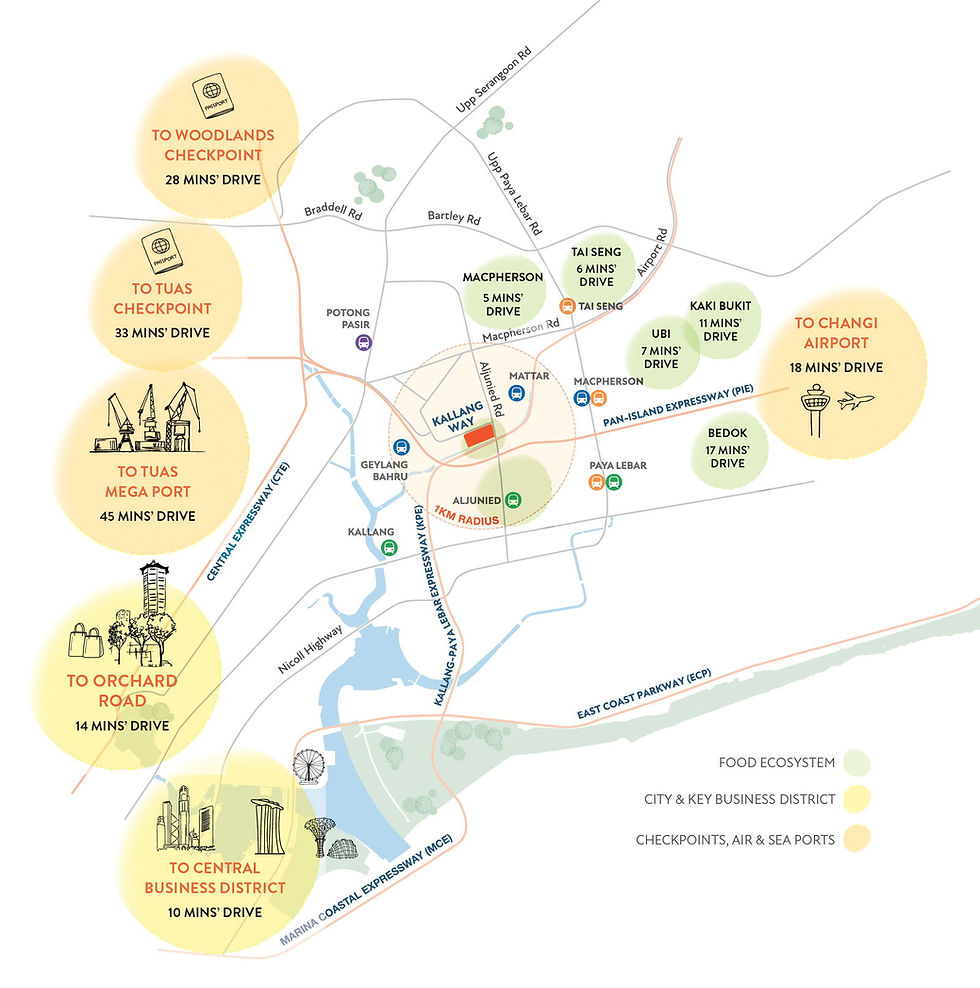
If you are searching for a food factory in Singapore, a central kitchen in Singapore, or a Kallang food factory that can support growth, "A Food Factory Lease Can Shape Your Brand's Future More Than You Think" is a topic worth paying attention to. Gourmet Xchange at 1 Kallang Way sits at the intersection of food production, industrial real estate, logistics and F&B expansion.
The bigger point is simple: lease control and ownership risk for critical production bases. In Singapore, where labour, rental, land and logistics costs are all tightly felt, the property decision is often an operating decision in disguise. A well-chosen food production base can influence output, consistency, staffing, delivery routes, compliance planning and long-term business resilience.

The lease behind the brand
F&B operators usually negotiate retail leases carefully because the outlet is visible. But the food factory lease may be even more important. A production base holds equipment, workflows, staff routines, supplier deliveries and distribution routes. Once the business is built around that base, the lease becomes strategic risk.
This is also why a food factory search should start early. By the time an operator urgently needs more capacity, the better-located and more functional units may already be taken. The stronger approach is to plan the production base before expansion pressure forces a rushed decision.
Why production space is harder to move
Moving a food factory can involve dismantling equipment, rebuilding cold rooms, applying for approvals, changing staff commute patterns and pausing production. Customers and outlets still need supply during the transition. That makes relocation disruptive.
For operators, the property decision should not sit separately from the business plan. It should be tested against daily production volumes, menu complexity, dispatch timing, staffing patterns and future outlet growth. A suitable food factory should make the business easier to control, not simply give it more space.
Rental escalation risk
If a business is operationally dependent on its space, renewal negotiations can become difficult. This does not mean ownership always makes sense, but it means operators should understand the risks of short-term leasing when production is mission-critical.
This is also why a food factory search should start early. By the time an operator urgently needs more capacity, the better-located and more functional units may already be taken. The stronger approach is to plan the production base before expansion pressure forces a rushed decision.
Where Gourmet Xchange fits
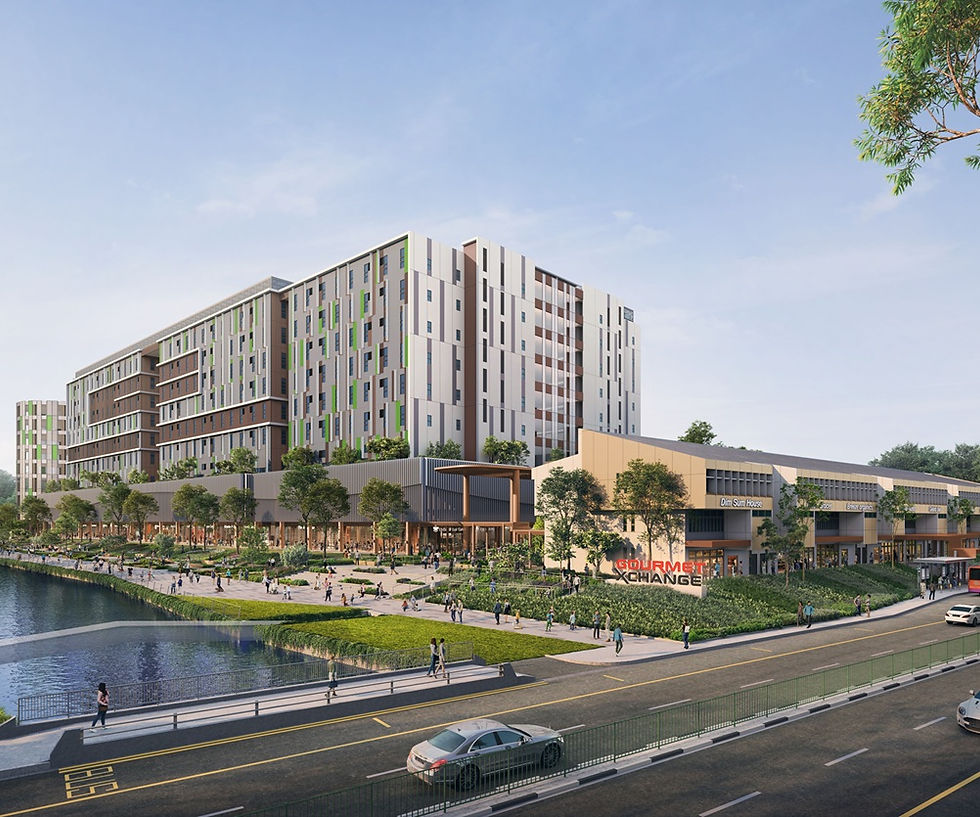
Gourmet Xchange offers strata-titled food factory units in Kallang, giving operators a way to own food production space in a central location. The question for owner-occupiers is whether the unit can become a long-term operating base.

For operators, the property decision should not sit separately from the business plan. It should be tested against daily production volumes, menu complexity, dispatch timing, staffing patterns and future outlet growth. A suitable food factory should make the business easier to control, not simply give it more space.
The strategic decision
If your production base controls brand consistency, supply chain and expansion, the real estate decision is no longer just an occupancy cost. It is a business strategy decision.
This is also why a food factory search should start early. By the time an operator urgently needs more capacity, the better-located and more functional units may already be taken. The stronger approach is to plan the production base before expansion pressure forces a rushed decision.
Operational takeaway: how to apply this before choosing a food factory
Identify whether the trend affects your actual production volume, menu structure or delivery model.
Avoid buying or leasing based on hype alone. Translate the trend into space, equipment, manpower and compliance requirements.
Check whether a central kitchen, food factory or hybrid production base can reduce repeated costs across outlets.
Review how the unit can adapt if consumer demand shifts.
Use property as a platform for operating flexibility, not just as storage for equipment.
Why this matters for Gourmet Xchange Kallang
Gourmet Xchange is positioned as a strata-titled food hub at 1 Kallang Way, with The Xchange, Heritage Terrace, F&B spaces, food kiosks, an industrial canteen, central plaza and waterfront elements forming part of the project story. The key appeal is not one feature alone. It is the combination of central Singapore location, food-only positioning, production-oriented specifications, ramp-up logistics and the ability for suitable operators to build a more permanent food production base.
As always, buyers and tenants should rely on the latest official developer materials, approved plans, sale documents and authority requirements before making any commitment. Blog articles are useful for framing the decision, but final due diligence must be based on the definitive documents and professional advice.
Related reading
Source credit
Project facts based on Gourmet Xchange developer materials, official brochure and FAQs. This is general commentary, not legal or financial advice.
Speak to the appointed agent
If you are assessing whether Gourmet Xchange fits your operational or investment requirements, speak to Marc Singh for the latest available units, floor plans, specifications and viewing arrangements.


Comments