.png)
Owner-Occupiers vs Investors at Gourmet Xchange: Two Buyers, One Food Factory Story

If you are searching for a food factory in Singapore, a central kitchen in Singapore, or a Kallang food factory that can support growth, "Owner-Occupiers vs Investors at Gourmet Xchange: Two Buyers, One Food Factory Story" is a topic worth paying attention to. Gourmet Xchange at 1 Kallang Way sits at the intersection of food production, industrial real estate, logistics and F&B expansion.
The bigger point is simple: different perspectives for owner-occupiers and investors. In Singapore, where labour, rental, land and logistics costs are all tightly felt, the property decision is often an operating decision in disguise. A well-chosen food production base can influence output, consistency, staffing, delivery routes, compliance planning and long-term business resilience.

Two buyer groups
Gourmet Xchange appeals to two very different buyer groups: owner-occupiers and investors. They may look at the same units, but they should not evaluate them the same way. An owner-occupier asks whether the space helps the business operate better. An investor asks whether the unit can attract and retain a good tenant.
That does not remove investment risk. Tenant quality, lease structure, fit-out responsibility, maintenance cost, tenure, financing and exit liquidity still matter. But when a unit is operationally relevant to a tenant, it can have a clearer leasing story than a generic industrial box.
The owner-occupier view
For an owner-occupier, the food factory is part of the business. The decision should be based on workflow, production capacity, vehicle access, power, exhaust, drainage, cold room potential, staff commute, fit-out cost and future growth.
For investors, the important point is not just whether a unit looks cheap or expensive on a psf basis. The more useful question is whether the space solves a real problem for a tenant. In food production, the right combination of access, power, drainage, loading and location can make a unit harder to replace.
The investor view
For an investor, the unit is an income and capital asset. The key question is whether an operator will find the unit practical enough to lease, fit out and renew. Standard, deluxe and Heritage Terrace units may attract different tenant profiles.
That does not remove investment risk. Tenant quality, lease structure, fit-out responsibility, maintenance cost, tenure, financing and exit liquidity still matter. But when a unit is operationally relevant to a tenant, it can have a clearer leasing story than a generic industrial box.
Where the views overlap
The best units often make sense to both groups. If a unit works well for an owner-occupier, it may also be more attractive to tenants. Practical features such as loading, power, ceiling height and drainage support both business use and rentability.
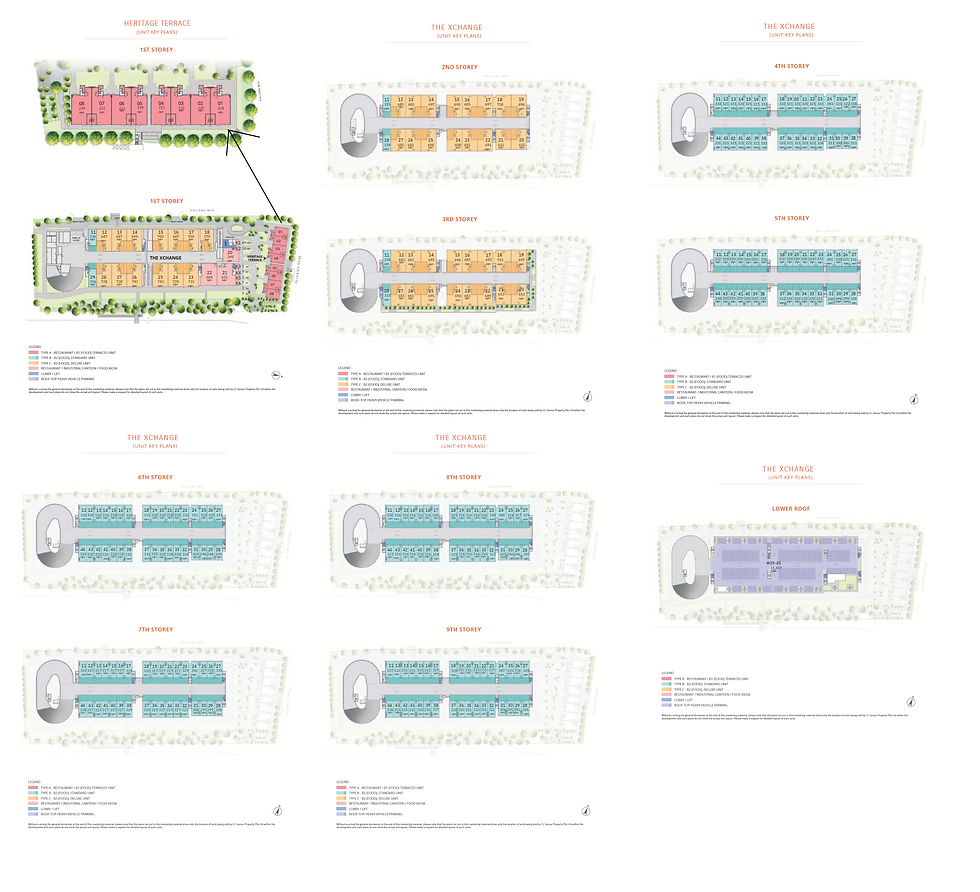
For investors, the important point is not just whether a unit looks cheap or expensive on a psf basis. The more useful question is whether the space solves a real problem for a tenant. In food production, the right combination of access, power, drainage, loading and location can make a unit harder to replace.
Tenure and strategy
Gourmet Xchange is a 33-year leasehold project from 17 February 2025 based on developer materials. Both owner-occupiers and investors should consider remaining lease, financing, fit-out cost and exit strategy.
That does not remove investment risk. Tenant quality, lease structure, fit-out responsibility, maintenance cost, tenure, financing and exit liquidity still matter. But when a unit is operationally relevant to a tenant, it can have a clearer leasing story than a generic industrial box.
Investor takeaway: how to apply this before choosing a food factory
Ask what type of tenant would realistically need this unit and whether the unit solves a real operational problem.
Look beyond psf pricing and review quantum, tenure, fit-out burden, tenant pool, rental evidence and resale liquidity.
Study how difficult it would be for a food tenant to replace the unit after equipment, processes and licences are tied to the space.
Treat location, loading and specifications as part of the leasing story, not just technical details.
Use conservative rental assumptions and make sure maintenance, vacancy and transaction costs are included.
Why this matters for Gourmet Xchange Kallang
Gourmet Xchange is positioned as a strata-titled food hub at 1 Kallang Way, with The Xchange, Heritage Terrace, F&B spaces, food kiosks, an industrial canteen, central plaza and waterfront elements forming part of the project story. The key appeal is not one feature alone. It is the combination of central Singapore location, food-only positioning, production-oriented specifications, ramp-up logistics and the ability for suitable operators to build a more permanent food production base.
As always, buyers and tenants should rely on the latest official developer materials, approved plans, sale documents and authority requirements before making any commitment. Blog articles are useful for framing the decision, but final due diligence must be based on the definitive documents and professional advice.

Related reading
Source credit
Project facts based on Gourmet Xchange developer materials, official brochure, FAQs and GourmetXchange.co. This is not financial advice.
Speak to the appointed agent
If you are assessing whether Gourmet Xchange fits your operational or investment requirements, speak to Marc Singh for the latest available units, floor plans, specifications and viewing arrangements.


Comments